



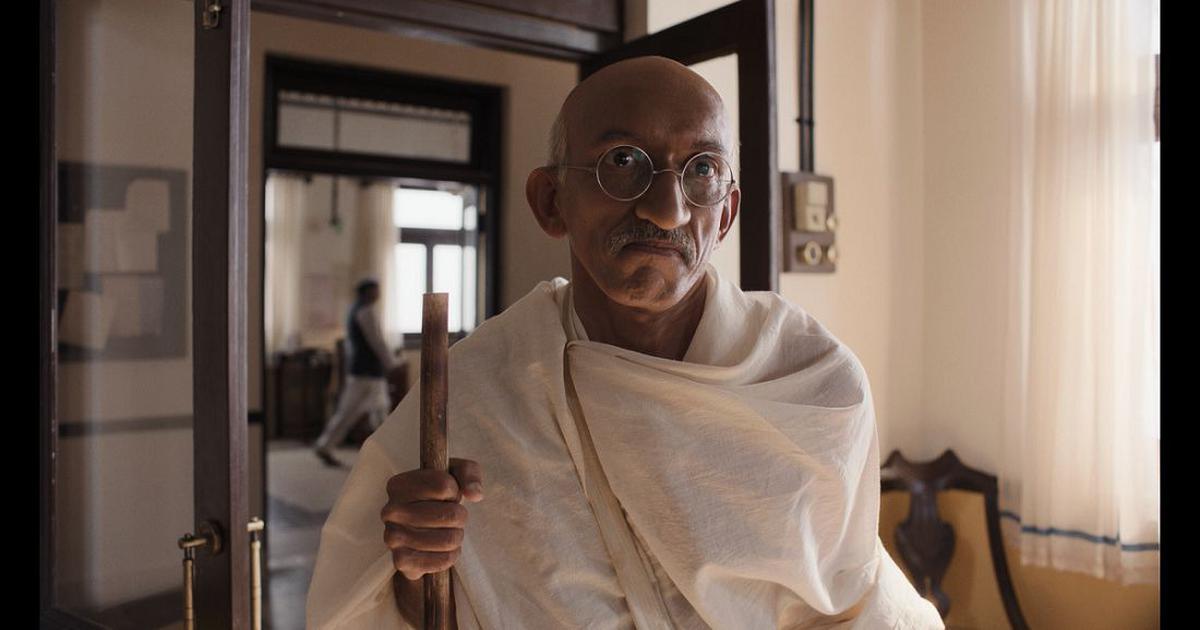
In the concluding season of Freedom at Midnight, independence from the British arrives by the second episode itself. The Indian flag flies high and proud; a “tryst with destiny” is proclaimed. But there are five more episodes to go in the Sony LIV series based on the Larry Collins and Dominique Lapierre book of the same name.
The first episode gives an indication of what lies ahead. Before 1947, some of the freedom struggle’s top leaders gather over a sample of the tricolour. India will be secular and defined by humanity, says Jawaharlal Nehru (Sidhant Gupta), sounding hopeful but barely convincing.
The mood is anxious and mournful. The men and women huddle around the flag as if it were a misshapen mutant. The rest of the Hindi-English series is about the haemorrhaging that accompanies the birth of the new nation.
Created and directed by Nikkhil Advani and adapted by Abhinandan Gupta, Freedom at Midnight examines the bitterly fought debates, impossible choices and avoidable tragedies that accompanied the end of colonial rule over India. The previous season from 2024 gave a credible measure of the fraught backroom parleying between the Indian National Congress and Mohammed Ali Jinnah’s Muslim League over the creation of Pakistan.
Jinnah (Arif Zakaria), his sister Fatima (Ira Dubey) and Liaquat Ali Khan (Rajesh…
Source: ‘Freedom at Midnight’ season 2 review: History lesson has inconvenient truths and convenient gaps