



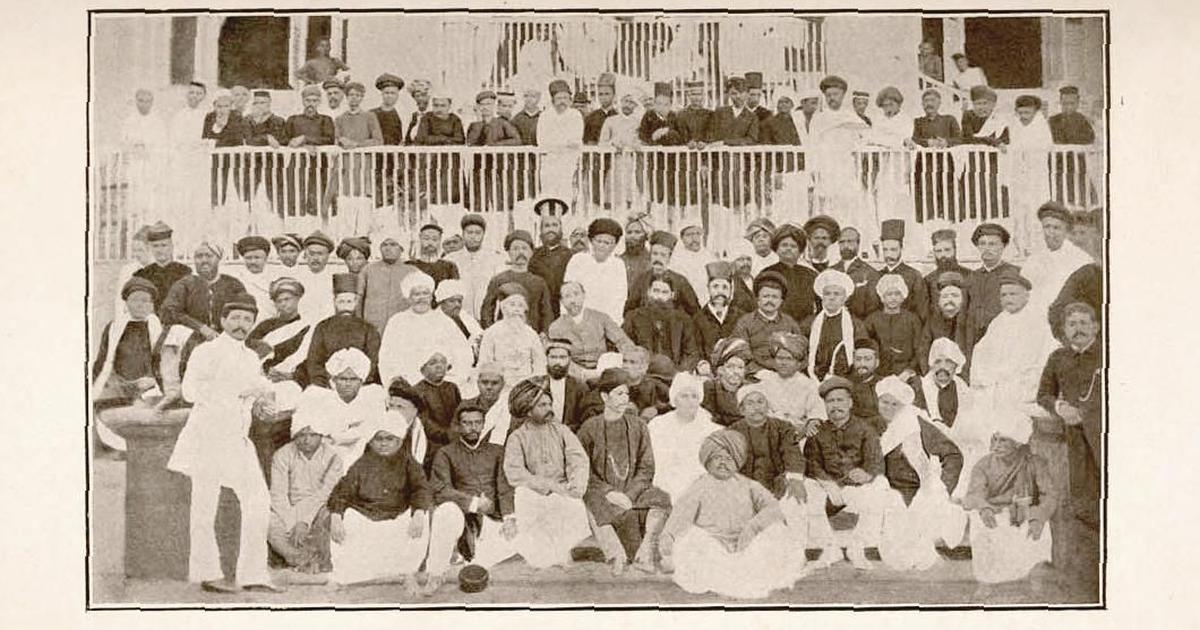
On December 28, 1885, Gokuldas Tejpal Sanskrit Pathshala in Bombay hosted the inaugural meeting of the Indian National Congress – a modest assembly of 72 delegates that ignited the subcontinent’s quest for self-rule.
Held from for four days in the hall near Gowalia Tank, the meeting drew delegates who were mostly lawyers, educators and professionals. They came primarily from Bombay, Madras, Bengal and the North-Western Provinces.
Allan Octavian Hume, the retired British civil servant pivotal in organising the gathering, envisioned the Congress as a “safety valve” to peacefully channel the grievances of educated Indians in order to prevent unrest of the kind experienced during the 1857 Revolt.
Pattabhi Sitaramayya’s seminal History of the Indian National Congress describes how Hume circulated invitations in mid-1885, recruiting luminary even as fears of an outbreak of the plague prompted the venue to be shifted from Poona to Bombay.
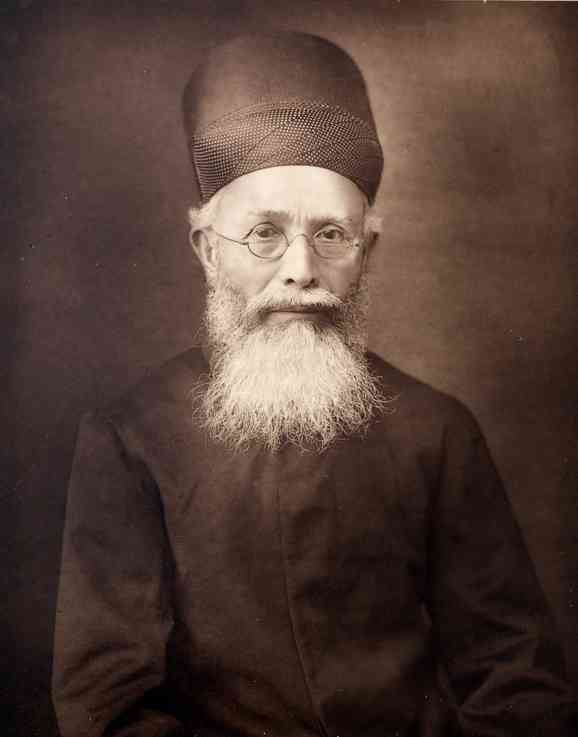
Dadabhai Naoroji, the Parsi economic thinker and political leader, later called the “Grand Old Man of India,” proposed the name Indian National Congress, supplanting the bland National Indian Association.
Prominent delegates included Pherozeshah Mehta, Badruddin Tyabji, Surendranath Banerjee, and S Subramania Iyer, whose diverse regional backgrounds symbolised nascent unity. No avowed radicals like Bal Gangadhar Tilak participated, underscoring the moderate character of the enterprise….
Source: December 28, 1885: Congress holds first meeting, sparks India’s quest for freedom