



The United Nations turned 80 in October last year; a venerable age for the most significant international organisation the world has ever seen.
But events of recent years – from last weekend’s Trumpian military action to seize Venezuelan President Nicolás Maduro and Russia’s unlawful invasion of Ukraine in 2022, to the ongoing humanitarian catastrophe in Gaza – represent major challenges to the UN system.
Many are now asking whether the United Nations has any future at all if it cannot fulfil its first promise of maintaining international peace and security.
Has the UN reached the end of its lifespan?
The UN Security Council
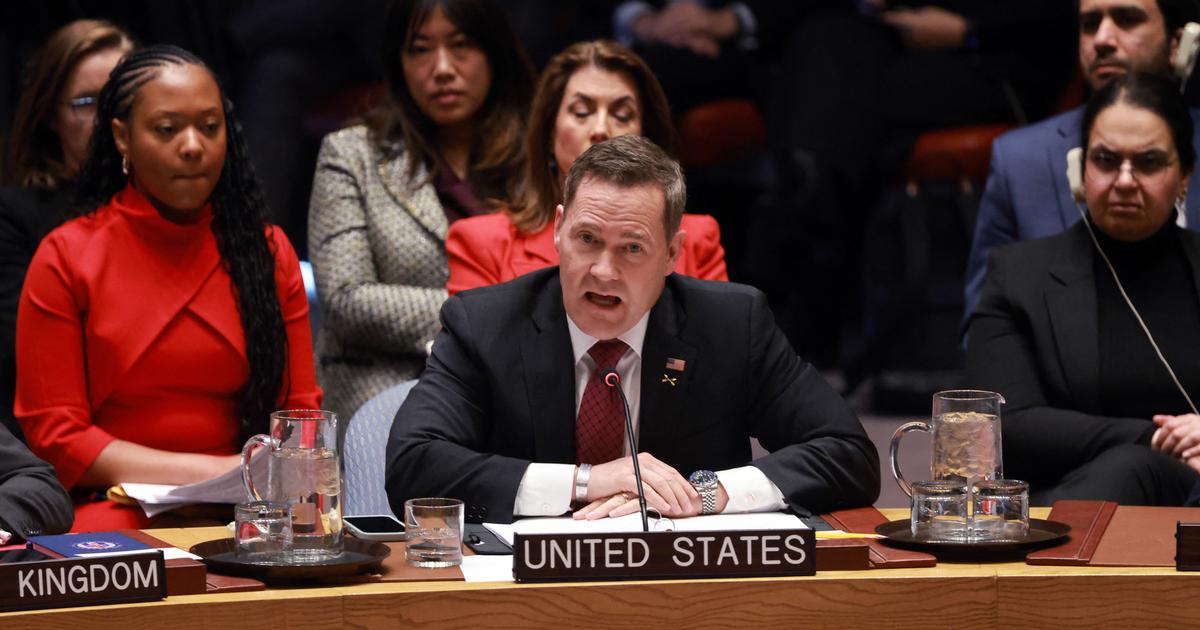
The organ of the UN that plays the main role maintaining peace and security is the UN Security Council.
Under the rules established by the UN Charter, military action – the use of force – is only lawful if it has been authorised by a resolution from the UN Security Council (as outlined in Article 42 of the Charter), or if the state in question is acting in self-defence.
Self-defence is governed by strict rules requiring it to be in response to an armed attack (Article 51). Even then, self-defence is lawful only until the Security Council has stepped in to restore international peace and security.
The Security Council is made up of 15 member states:
-
five permanent (China, France, Russia, the United Kingdom and the United States – also…
Source: Ukraine to Gaza to now Venezuela: Has the UN reached the end of its lifespan?