



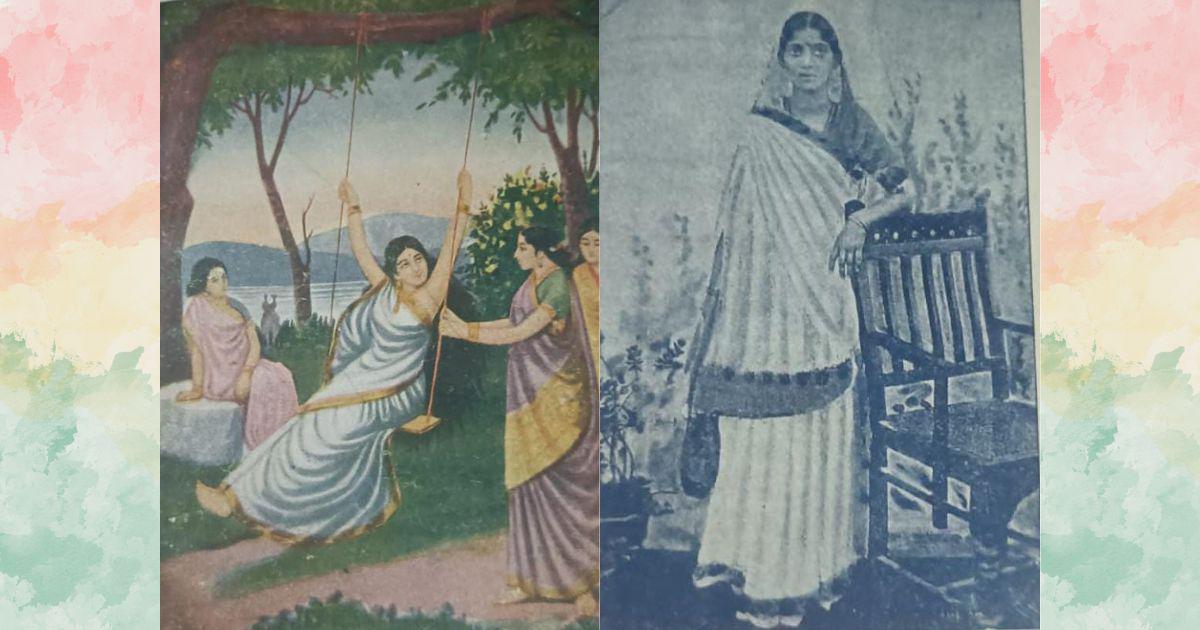
In the month of Sawan, when the monsoon darkens the skies, women in eastern Uttar Pradesh and western Bihar have gathered for generations to sing kajari – songs that are bound to the rhythms of agriculture. They are sung when crops are sown and the rains beat down on the fields.
Traditionally sung on farms and in courtyards, kajari often resound with separation and longing. The lyrics dwell on the pain of wives whose husbands have gone away to the city to find work, the ache of desire in their absence and the wait for their return.
The Hori songs sung during Holi in the spring reflect a markedly different mood. Here, women’s voices burst with laughter and irreverence. These songs turn teasing, full of innuendo, openly mocking men and in-laws, even joking about sex.
These songs have offered Bhojpuri women, especially those from lower and intermediate castes, a language to express thoughts that were otherwise left unsaid in everyday life. They are not just entertainment, but forms of expression where desire, grief, satire and even sexuality could surface.
Sung in public and as a group, these performances give women a space beyond the confines of their male-dominated households to shape narratives of desire and dissent on their own terms.
But in…
Source: How the bawdy, irreverent songs of kajari and hori have resisted being tamed